
Commercial interior designers in Kenya
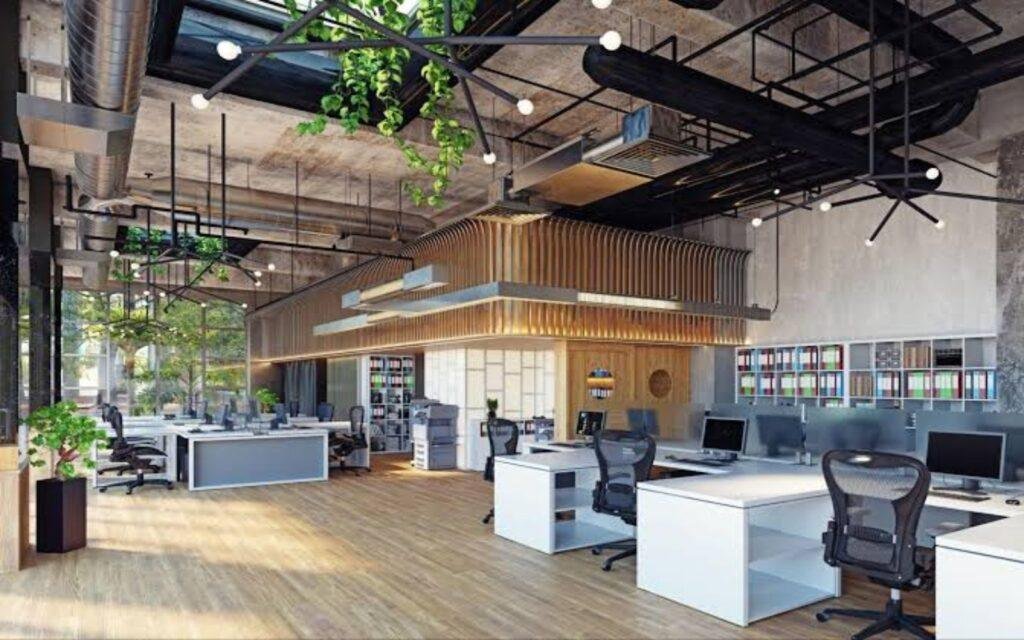
Commercial Interior Designers In Kenya
Choosing the right interior designers in Kenya can transform a commercial space into an environment that reflects your brand, supports productivity, and creates a memorable experience for customers and employees. From corporate offices and retail stores to restaurants, hotels, and healthcare facilities, professional commercial interior designers combine functionality, aesthetics, and business objectives to create spaces that work.
What Are Commercial Interior Designers?
Commercial interior designers specialize in designing spaces used by businesses, organizations, and institutions. Unlike residential interiors, commercial projects often require careful consideration of customer experience, employee workflow, accessibility, safety, branding, and long-term functionality.
In Kenya, commercial interior design may cover:
Corporate offices and business premises
Retail shops and shopping spaces
Hotels and hospitality establishments
Restaurants and cafés
Salons and beauty facilities
Healthcare facilities
Educational institutions
Showrooms and exhibition spaces
Co-working spaces
Banks and financial institutions
Why Invest in Professional Commercial Interior Design?
A well-designed commercial space can influence how people interact with a business. Professional designers consider everything from spatial planning and lighting to furniture, finishes, colors, and branding.
Key benefits include:
1. Better Space Utilization
Commercial properties need to accommodate people, furniture, equipment, storage, and movement efficiently. Designers develop layouts that make the most of the available floor area while maintaining comfortable circulation.
2. Stronger Brand Identity
Your physical environment can reinforce your company’s identity. Colors, materials, furniture, signage, lighting, and decorative elements can be incorporated into the design to create a consistent brand experience.
3. Improved Employee Productivity
For offices, thoughtful design can support collaboration, concentration, communication, and employee comfort. Designers can create different zones for meetings, focused work, informal interaction, and relaxation.
4. Enhanced Customer Experience
For retail stores, restaurants, hotels, and other customer-facing businesses, interior design can influence first impressions and the overall customer journey. A well-planned environment can make a business more welcoming and easier to navigate.
Commercial Interior Design Services in Kenya
Professional commercial interior designers may offer a range of services depending on the size and requirements of a project.
Space Planning: Designers assess the available space and develop layouts that support efficient movement and practical use.
Concept Development: This involves establishing the visual direction of the project, including colors, materials, furniture styles, lighting concepts, and overall atmosphere.
3D Visualization: Three-dimensional drawings and renders can help clients understand how the finished space may look before construction or installation begins.
Furniture Selection: Designers can recommend furniture that complements the design while considering comfort, durability, functionality, and available space.
Lighting Design: Appropriate lighting can improve visibility, atmosphere, productivity, and the presentation of products or architectural features.
Material and Finish Selection: Flooring, wall finishes, ceilings, countertops, fabrics, and other materials are selected based on aesthetics, durability, maintenance, and budget.
Project Coordination: Depending on the designer and contract, services may also include coordinating contractors, suppliers, artisans, and installation teams.
Factors to Consider When Choosing Interior Designers in Kenya
Selecting a commercial interior designer is an important part of any renovation or new-build project. Consider the following factors before making a decision:
Portfolio: Review previous commercial projects to understand the designer’s experience and design approach.
Relevant experience: Look for experience with projects similar to yours in size, industry, and complexity.
Understanding of your business: The designer should take time to understand your customers, employees, operations, and brand.
Budget management: Discuss your budget early and establish what is included in the design and implementation services.
Communication: Clear communication helps prevent misunderstandings throughout the project.
Project timeline: Establish realistic milestones for design, procurement, construction, and installation.
Quality of materials: Discuss the durability, maintenance requirements, and suitability of proposed finishes and furnishings.
Local knowledge: Designers familiar with the Kenyan market may have useful knowledge of local suppliers, contractors, materials, and construction practices.
Commercial Interior Design Trends in Kenya
Commercial spaces continue to evolve as businesses respond to changing customer expectations and workplace needs. Some design approaches gaining attention include flexible workspaces, natural materials, biophilic elements, multifunctional furniture, energy-efficient lighting, and spaces designed around employee and customer wellbeing.
However, trends should not replace functionality. A successful commercial interior should reflect the specific requirements of the business rather than simply following popular styles.
How the Commercial Interior Design Process Works
Although the process varies between designers, a typical commercial interior project may follow these stages:
Initial consultation – Understanding the business, space, objectives, budget, and requirements.
Site assessment – Evaluating the existing building, dimensions, services, natural lighting, and structural considerations.
Concept development – Creating the overall design direction and proposed layout.
Design development – Refining materials, finishes, furniture, lighting, colors, and other details.
3D visualization and drawings – Presenting the proposed design for review and approval.
Budgeting and procurement – Establishing costs and sourcing approved materials, furniture, and fittings.
Implementation – Coordinating construction, installation, and finishing work.
Final inspection – Reviewing the completed space and addressing outstanding issues.
Create a Commercial Space That Works for Your Business
Commercial interior design goes beyond making a space attractive. It involves creating an environment that supports business operations, communicates a brand’s identity, accommodates users, and makes effective use of the available space.
Whether you are opening a new office, renovating a retail outlet, developing a restaurant, or upgrading a hospitality property, working with experienced interior designers in Kenya can help turn your commercial space into a functional and visually engaging environment.
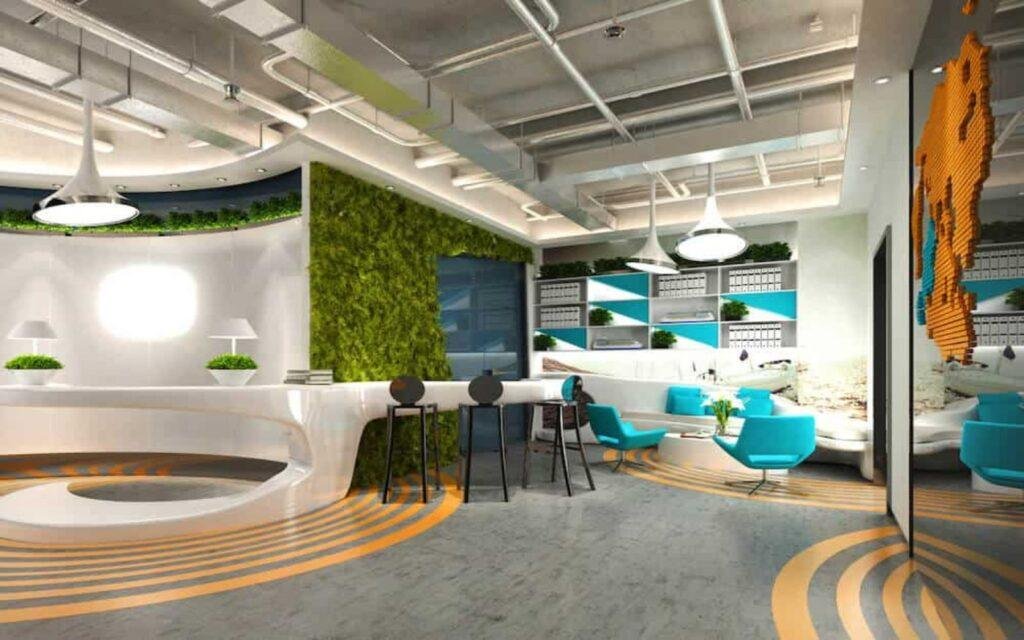
Boost productivity with the best interior designers in Kenya
A well-designed workspace can have a significant impact on employee comfort, collaboration, and productivity. Working with experienced interior designers in Kenya can help businesses create offices that are functional, inspiring, and aligned with their brand. From smart space planning and ergonomic furniture to lighting, colors, and acoustics, professional interior design can transform an ordinary workplace into an environment where people can work efficiently and comfortably.
How Interior Design Can Boost Workplace Productivity
Productivity is influenced by more than management strategies and technology. The physical environment in which employees work can also affect how they interact, concentrate, and carry out their daily responsibilities.
A thoughtfully designed office can provide:
Comfortable and ergonomic workstations
Better organization and movement around the office
Spaces for focused individual work
Areas that encourage collaboration
Improved natural and artificial lighting
Reduced visual and physical clutter
A more positive working environment
A stronger sense of company identity
The Role of Interior Designers in Kenya
Professional interior designers do more than select attractive furniture and colors. They consider how people use a space and develop design solutions around the specific needs of a business.
For Kenyan businesses, this may include understanding the available floor space, natural lighting, climate, building requirements, employee needs, and company culture. Designers can then create a workplace that balances aesthetics with practical functionality.
Create an Ergonomic Workspace
Employees spend a considerable amount of time at their workstations, making ergonomics an important part of office design. Comfortable chairs, appropriately positioned desks, suitable monitor placement, and adequate workspace can contribute to a more comfortable working environment.
Interior designers can help businesses plan workstations and furniture layouts that make efficient use of available space while prioritizing employee comfort.
Make Better Use of Office Space
Poorly planned office layouts can result in wasted space, crowded walkways, and difficulty accessing essential facilities.
Professional space planning helps determine where different functions should be located. An office might include dedicated areas for:
Individual work
Team collaboration
Meetings and presentations
Informal discussions
Breaks and relaxation
Storage
Reception and client interactions
By assigning each area a clear purpose, businesses can create a more organized and efficient workplace.
Use Lighting to Improve the Work Environment
Lighting is another important consideration in commercial interior design. Where possible, making effective use of natural light can help create a brighter and more welcoming workplace.
Artificial lighting should also be planned according to the activities performed in different areas. Workstations, meeting rooms, reception areas, corridors, and relaxation spaces may require different lighting approaches.
A professional interior designer can help create a lighting plan that combines functionality with the desired atmosphere.
Incorporate Your Brand Into the Office
Your office is also an opportunity to communicate your company’s identity. Colors, materials, furniture, artwork, signage, and other design elements can be selected to create a consistent visual experience.
A branded workplace can help create a professional impression for clients and visitors while giving employees a physical connection to the organization’s identity.
Create Spaces for Collaboration
Modern workplaces often require employees to work both independently and as teams. An office designed entirely around individual desks may not provide enough flexibility for collaboration.
Interior designers can introduce meeting rooms, breakout areas, informal seating, and collaborative zones that allow employees to choose an environment suited to different tasks.
The goal is to create flexibility without compromising the need for quiet and focused work.
Why Choose Professional Interior Designers?
Hiring professional interior designers in Kenya can help businesses approach office design systematically. Instead of choosing furniture, colors, and finishes separately, designers can develop a cohesive plan that considers the entire workplace.
Depending on the project, professional services may include:
Space planning
Interior concept development
3D visualization
Furniture selection
Lighting design
Color and material selection
Office fit-out coordination
Custom furniture design
Project management
This integrated approach can help ensure that the different elements of the office work together.
Interior Design for Different Kenyan Businesses
Every business has different requirements. A corporate office may prioritize meeting rooms and employee workstations, while a creative agency may require flexible collaborative spaces.
Interior design can be tailored for:
Corporate offices
Startups and small businesses
Co-working spaces
Retail stores
Hotels
Restaurants
Healthcare facilities
Financial institutions
Educational facilities
Showrooms
Understanding the business’s daily operations is therefore essential when developing an effective commercial interior.
How to Choose Interior Designers in Kenya
Before hiring an interior design company, consider its previous work, experience, approach, and understanding of your requirements.
Look at their portfolio to see whether they have completed projects similar to yours. Discuss your budget and expected timeline from the beginning, and make sure you understand which services are included.
It is also useful to choose a designer who listens to your employees’ and management’s needs rather than applying the same design concept to every project.
Invest in a More Productive Workplace
A productive workplace starts with an environment that supports the people using it. From ergonomic furniture and effective lighting to efficient layouts and collaborative spaces, every design decision can contribute to how a workplace functions.
By partnering with experienced interior designers in Kenya, businesses can create offices that combine functionality, comfort, brand identity, and visual appeal. The result is a workspace designed not simply to look good, but to support the people and activities that drive the business forward.